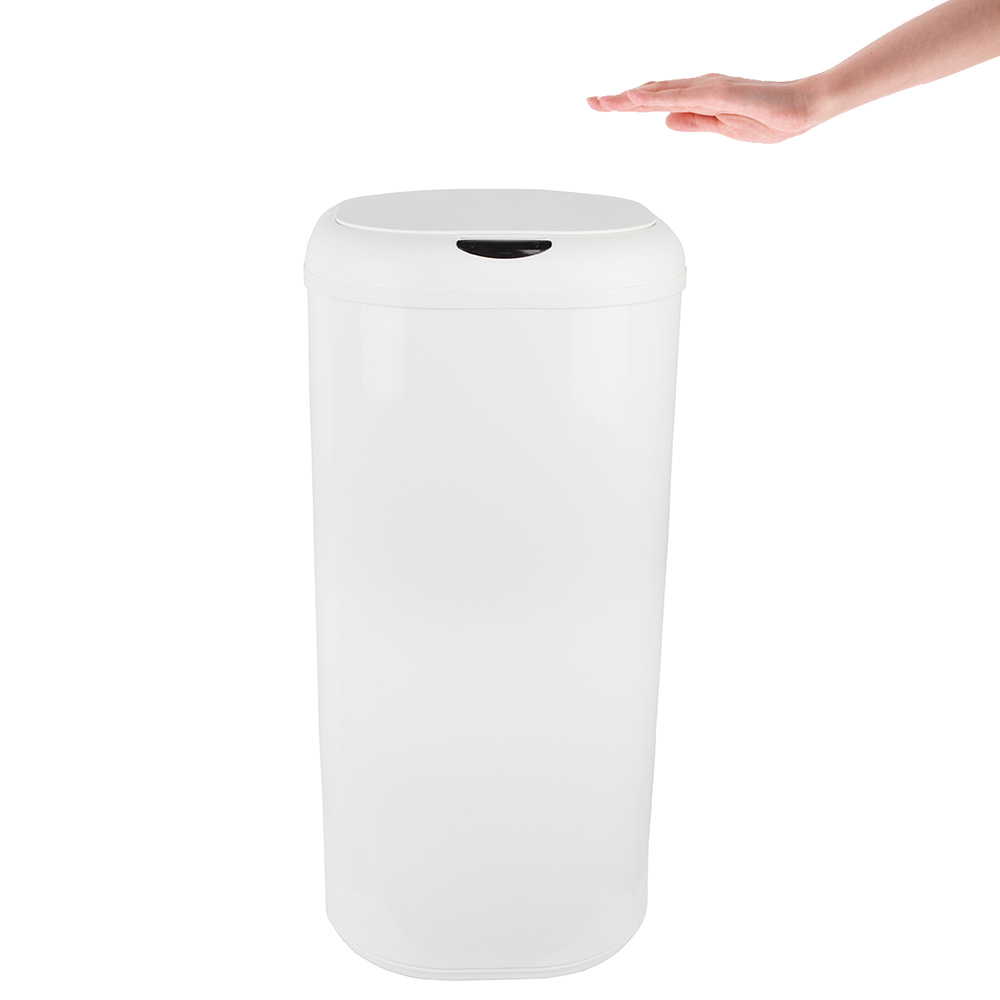
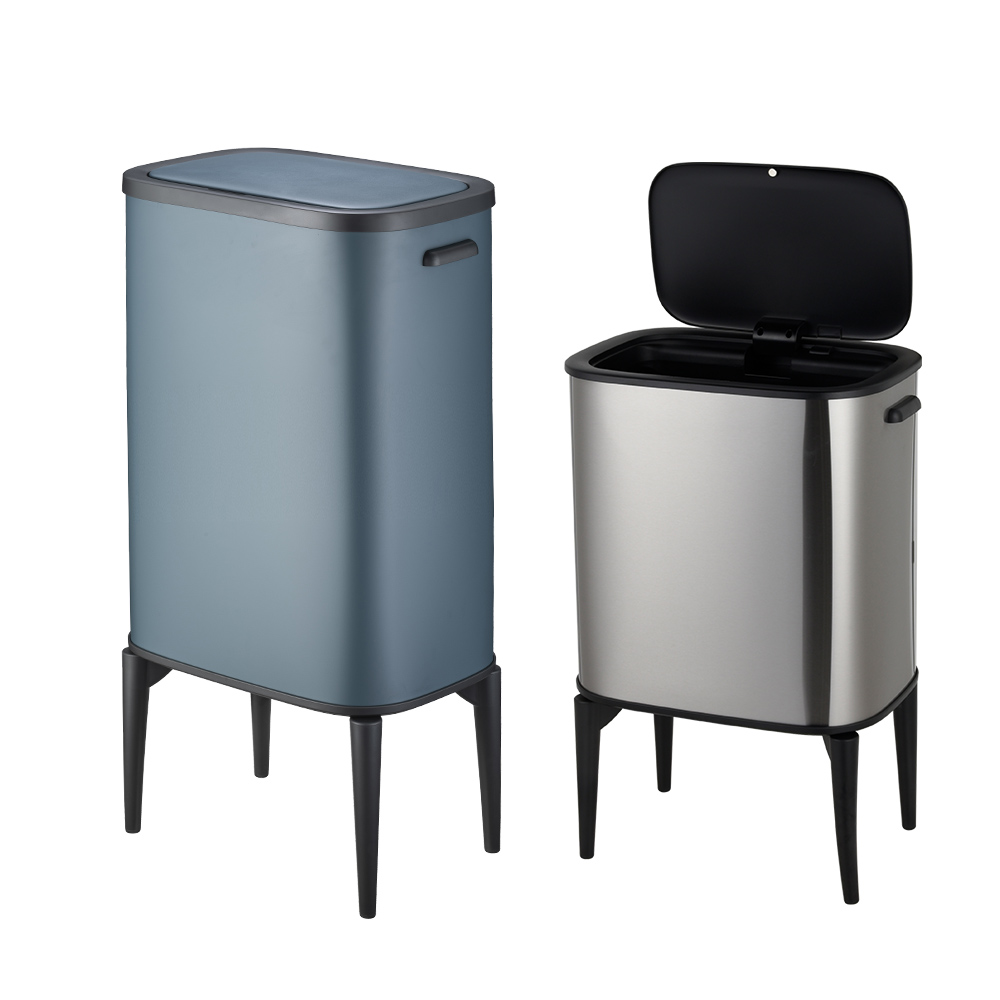
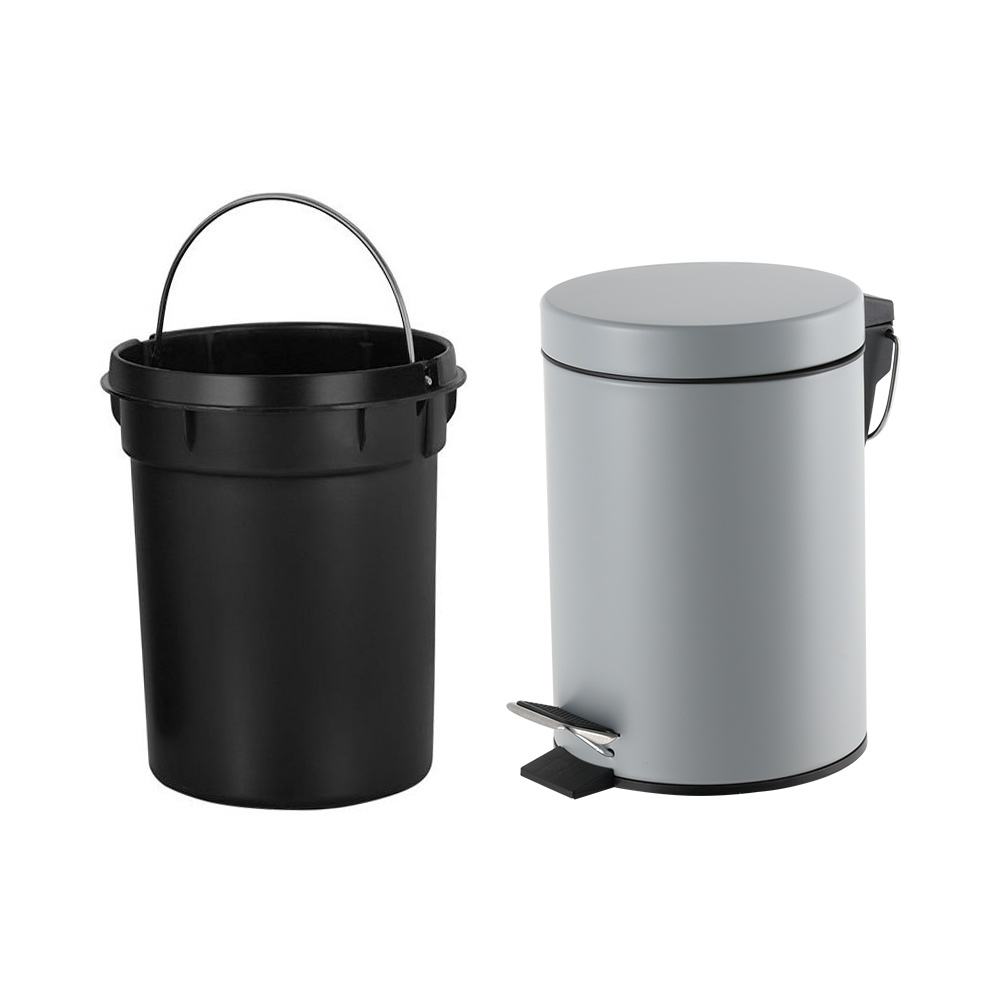
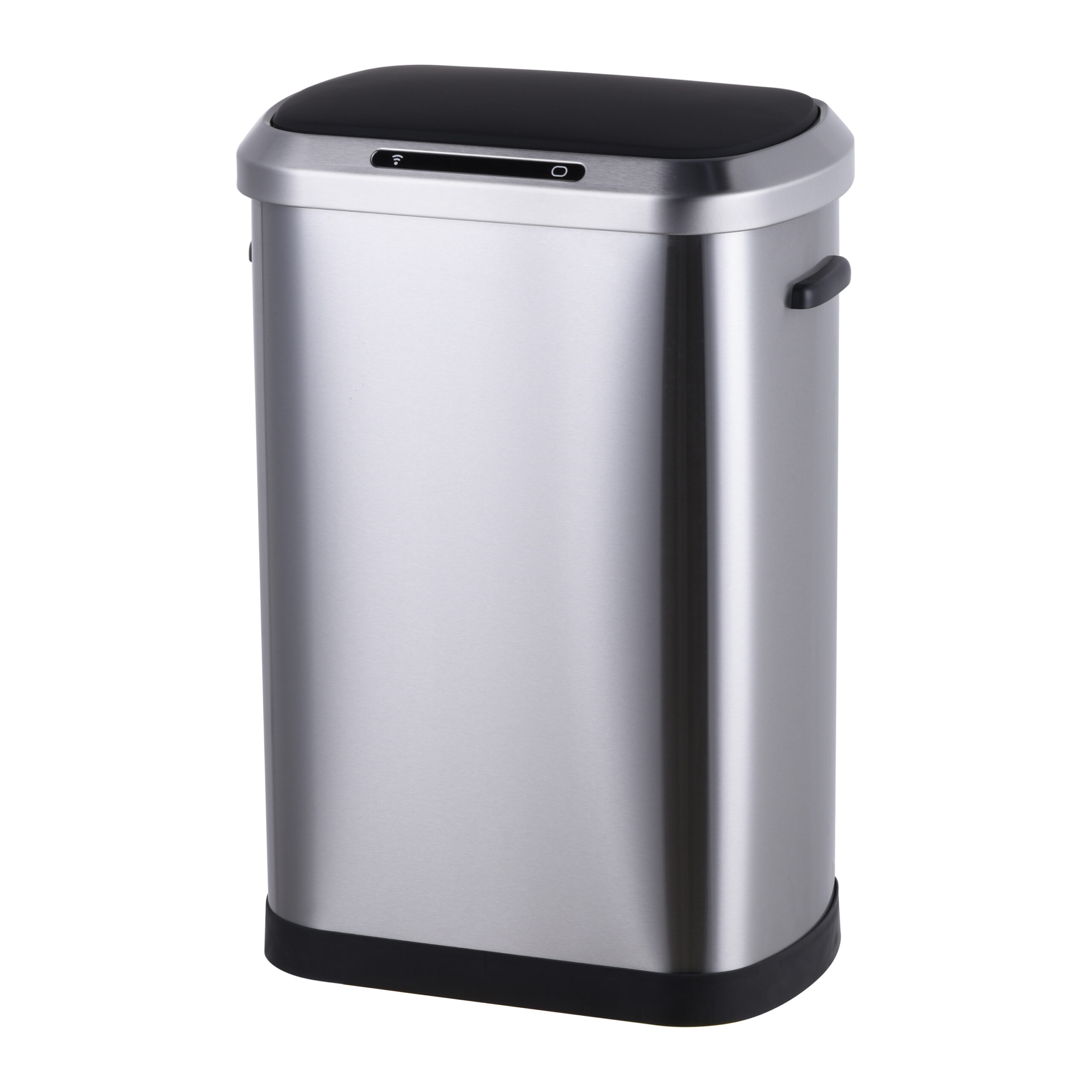
AOLQ supplies commercial trash cans with lids, including pedal and sensor styles that keep waste covered between uses. Compare the opening method and lid clearance for your intended location, then discuss body shape and finish preferences. Our OEM/ODM support helps you bring the selected design and your branding together in a coordinated range.
Compare Commercial Lid Styles by User Flow and Maintenance
Start with AOLQ’s commercial trash can range. For touch-free projects, compare the available automatic trash cans; for pedal, push-door, swing-top or removable-lid operation, review the manual trash can range. Then narrow the choice by waste type, lid clearance, liner fit, cleaning access and the selected model’s specifications.
Automatic Sensor Lid
Touch-free opening can suit hygiene-led projects. Confirm sensing behavior, power source, lid movement, clearance and maintenance access for the selected model.
Pedal operation keeps hands away from the lid and is easy to understand. Review pedal reach, stability, hinge movement and liner-removal path during sampling.
A balanced swing lid supports two-way use without electrical parts. Confirm that the waste item fits the opening and that the lid can be removed for cleaning.
A simple removable or hand-opened top can suit controlled service areas. Evaluate grip points, fit, cleaning access and where the lid rests during liner changes.
A fitted top or retaining structure can hide the bag edge for a cleaner presentation. Check liner size, retention and removal before a project standard is approved.
AOLQ: Your Supplier of Commercial Trash Cans with Lids
AOLQ is a commercial trash can manufacturer in China offering commercial trash cans with lids for indoor business use. Our collection includes pedal-operated and sensor designs, giving buyers different ways to keep waste covered between uses.
AOLQ’s covered bin collection includes pedal-operated and sensor designs, with soft-close lids and removable inner buckets on selected models. Our design and development capabilities support customers who want to build on these product choices through an OEM/ODM enquiry. We work through the appearance and branding around the chosen style, together with its packaging. Ask our team about commercial trash cans with lids for your next order.
A suitable project specification connects user access with cleaning and liner-replacement work. Use the actual waste stream and installation zone to finalize the lid action, footprint, liner format and service clearance.
Opening Method and Lid Motion
Choose sensor, pedal, push, swing or removable-lid operation around user behavior. Confirm the exact mechanism and movement on the selected sample.
Show the Lid in Motion and the Liner-change Process
Product media should include closed, open and liner-service views. Add dimensions around the footprint and lid envelope, plus close-ups of the pedal, hinge, sensor area, push door or swing top where applicable.
Inspect the Parts That Move, Touch and Get Cleaned
Check the intended model for body stability, lid or pedal movement, sharp edges, liner retention, full-bag removal, finish and cleaning access. Record the liner and opening conditions used during the sample review.
Capacity, material, performance, certification, warranty and other commercial statements must follow the current documents and quotation for the exact configuration.
Commercial Trash Can Manufacturer & Wholesale Supplier FAQ for Commercial Buyers
Which lid type is best for a commercial trash can?
Choose according to user flow and service routine. Sensor and pedal lids reduce hand contact, push and swing openings support quick disposal, and removable lids simplify some controlled-service setups. a suitable choice depends on waste type, traffic, clearance and cleaning expectations.
How much clearance does a lidded bin need?
Check both the closed footprint and the full lid movement. Share the available width, depth, height and distance to walls, counters or cabinets. For sensor models, also consider the activation zone and nearby movement.
How can we avoid exposed or slipping liners?
Confirm the recommended liner dimensions and the model’s retention or inner-bin arrangement. Test installation and removal with the intended bag. Capacity labels alone do not show whether the liner will stay concealed during use.
What should cleaners inspect during a sample trial?
Review how the lid or top is removed, which surfaces collect residue, whether corners and seams are reachable, and how easily a full liner exits. Include the pedal, hinge, flap or sensor area in the cleaning check.
Can the material, color and logo be customized?
OEM/ODM support is available for suitable models. Confirm the available material and finish options for the chosen structure, then approve color and logo placement on a sample or controlled reference before bulk production.
What information is needed for a quotation?
Send the application, waste type, preferred opening method, target capacity or dimensions, installation space, liner preference, quantity, finish, branding, destination and packaging requirements.
Get a Lidded Trash-can Recommendation for Your Site
Share the waste type, daily traffic, placement dimensions, preferred lid action, liner format, quantity, finish and destination. Photos or drawings of the installation zone are useful when lid clearance or footprint is restricted. If the project also needs a custom finish, logo, labels or packaging, include those items in the brief so AOLQ can confirm the supported OEM/ODM scope for the selected model.