

Introduction: The Power of Spatial Ambiance
Scent is often the first thing people notice when they walk through a door. Scientifically, the olfactory system is directly linked to the brain’s memory and emotion centers. In a residential setting, scenting a room is simply about personal comfort. However, in a commercial environment—whether it is a boutique hotel suite, a high-end retail showroom, or an executive boardroom—fragrance becomes a strategic tool for brand identity and customer retention.
Facility managers and business owners frequently ask how to use essential oils to scent a room effectively without creating an overwhelming cloud of perfume, or adding endless manual tasks to their staff’s daily workload. This guide explores the mechanics of elevating any commercial space using professional-grade essential oils and automated delivery systems, ensuring a consistent, premium experience for every guest while optimizing operational costs.
The Shift: Why Residential Methods Fail in Business Environments
When upgrading a facility’s ambiance, procurement teams often realize that consumer-grade solutions cannot scale. What works well in a residential living room may not provide the consistency, coverage, or automation required in a commercial lobby.
The Inconsistency of Manual Methods
While reed diffusers or manual room sprays might seem cost-effective initially, they quickly fall short in a professional setting. Sprays dissipate within minutes of application, and reeds lose their potency over time as dust settles on them. This leads to an inconsistent guest experience—the room smells overpowering at 9:00 AM and entirely neutral by noon.
The Capacity and Hygiene Problem
Consumer-grade ultrasonic devices—the kind that require water to operate—struggle to effectively fill larger volumes of air. More importantly, stagnant water in a commercial setting is a liability. It requires constant cleaning to prevent bacterial growth or mold, which contradicts the hygiene standards required in public and professional spaces.
The Hidden Labor Costs
The biggest failure of residential methods is the demand on human resources. Requiring housekeeping staff to constantly monitor, refill, and refresh water tanks or spray bottles throughout the day introduces a massive hidden labor cost. Professional spaces require systems that operate independently of the daily janitorial checklist.
Engineering the Atmosphere: Selecting the Right Oils
Industry-Specific Scenting Strategies
Scenting a room professionally means treating the fragrance as a core component of the interior architecture. Different essential oil profiles actively dictate the mood and behavior within a specific area:
Hospitality & Wellness: For a premium spa treatment room or a hotel lounge, a balanced composition featuring lavender, subtle musk, and fresh tea leaves reduces anxiety and creates an instantly calming atmosphere that encourages guests to linger.
Retail & Showrooms: In a high-energy retail environment, bright citrus notes (like sweet orange or bergamot) mixed with light floral undertones invigorate the senses, elevating the perceived value of the merchandise and keeping the environment feeling fresh.
Corporate & Workspaces: For executive boardrooms or open-plan offices, crisp notes like peppermint or eucalyptus are often deployed to enhance focus and maintain a clean, sharp air quality during long meetings.
The Purity Standard
Commercial ambiance engineering requires high-quality, undiluted oils. Pure formulations ensure that the scent profile remains sophisticated and true to its natural ingredients. This strict standard helps businesses avoid the harsh, synthetic smells often associated with cheap aerosol air fresheners, providing a refined olfactory experience that reflects well on the corporate brand.
The Delivery Mechanism: Dry Vapor Technology
Preserving the Scent Profile
How do you actually get the oil into the air effectively across a large footprint without altering its quality? Professional scenting systems often use advanced micro-fine dispersion, also known as cold-air nebulization. Instead of adding water, this technology uses pressurized air to atomize fragrance oil into a fine, dry mist that disperses through the air.
Protecting the Commercial Environment
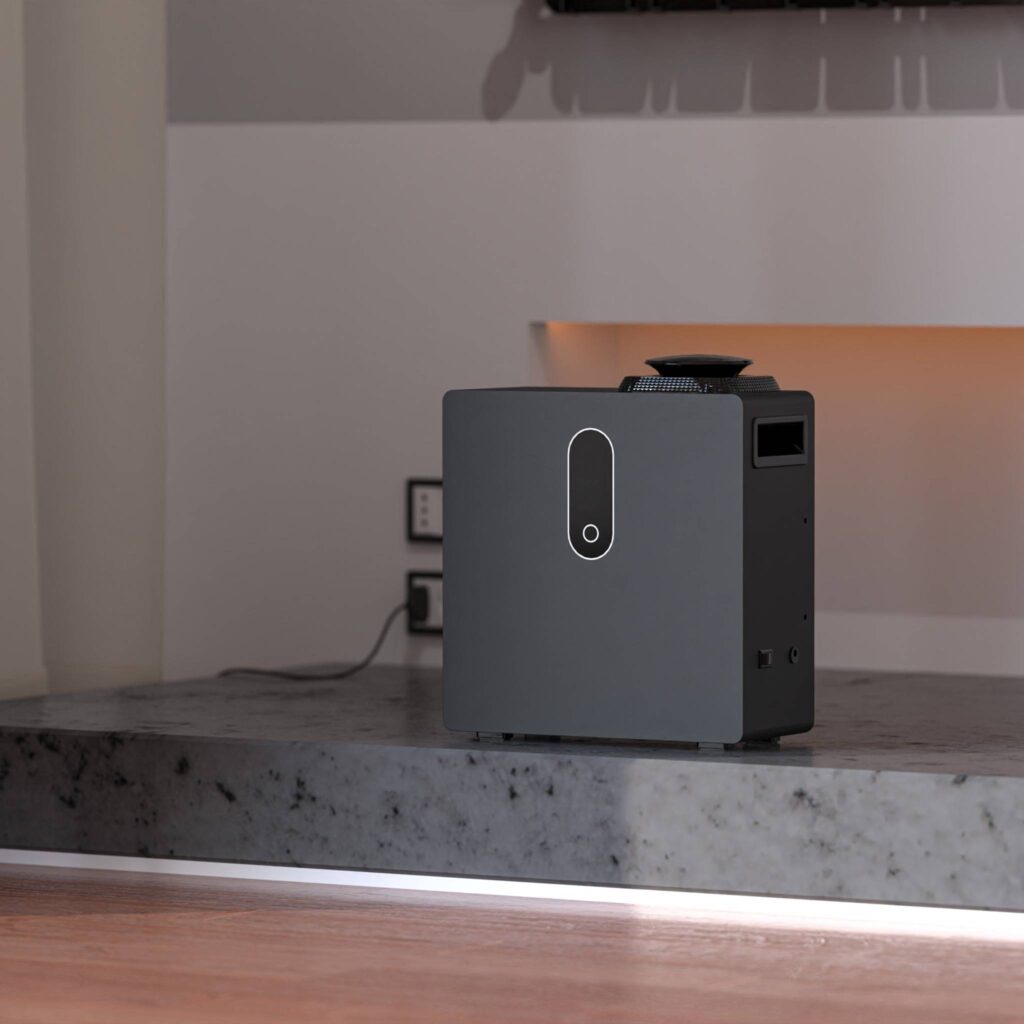
Because this method introduces zero moisture and zero heat into the air, it safely scents rooms containing expensive furnishings, sensitive electronics, or premium textiles. There is absolutely no wet residue left behind on marble floors or wooden conference tables, making it the ideal choice for maintaining the pristine condition of upscale interiors while mitigating slip-and-fall liabilities.
Scalability and Automation: The “Set and Forget” Advantage
Tailored to the Architecture
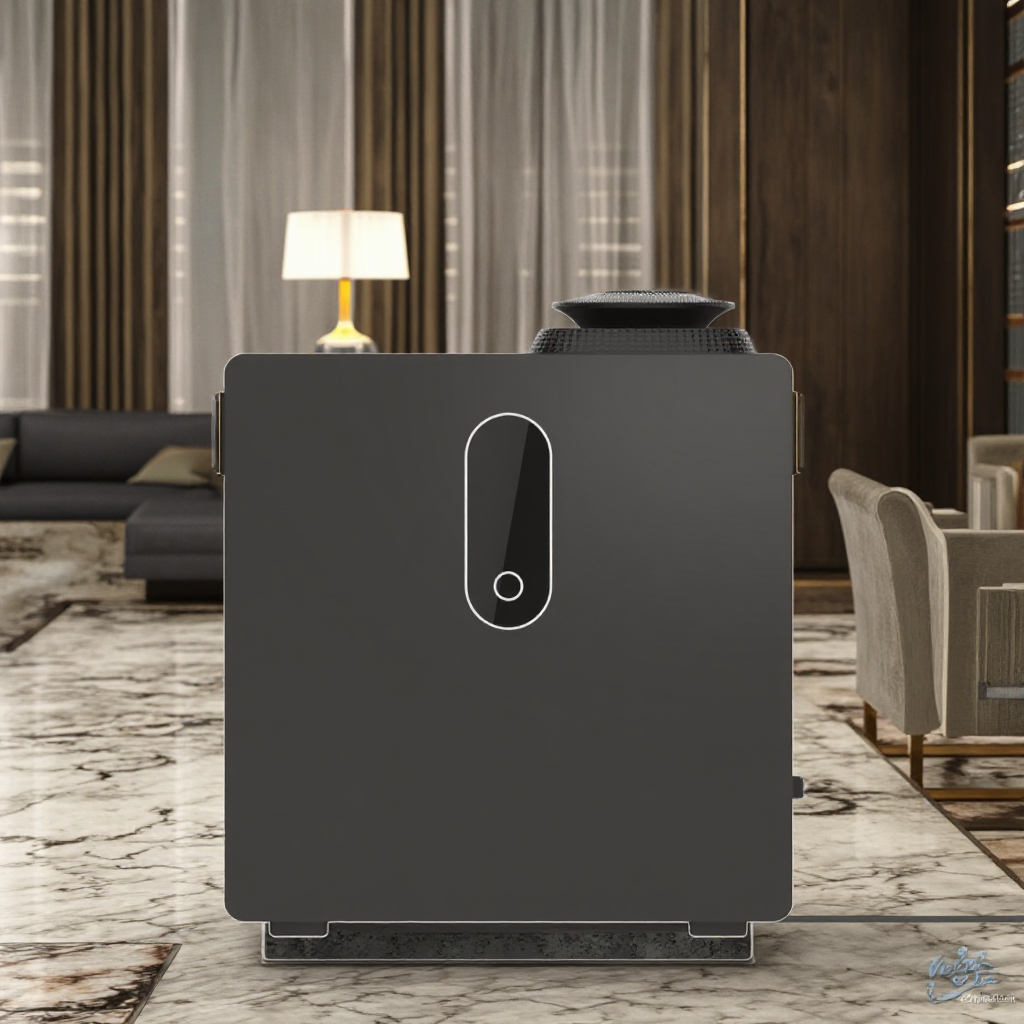
Commercial properties rarely have a one-size-fits-all layout. Professional scenting technology operates as a flexible fleet designed to scale precisely to your floor plan. A facility might deploy sleek, standalone tower units to manage the ambiance of a compact VIP waiting room, while simultaneously using HVAC-integrated systems to seamlessly distribute scent throughout an expansive open-plan lobby.
Operational Automation and ROI
The true value for facility managers lies in smart-programmable controls. Commercial scent diffusers allow facility managers to control fragrance intensity and operating schedules through programmable settings. This “set and forget” capability means the room smells perfect the second the doors open to the public, optimizing your essential oil usage, eliminating waste, and completely removing the task from your staff’s daily workload.
Conclusion: A Unified Scenting Ecosystem
Successfully scenting a commercial room requires more than just a pleasant fragrance; it requires a seamless synergy between premium oils and intelligent, heavy-duty hardware.
Create a signature atmosphere that your clients will remember. With decades of manufacturing expertise, AOLQ offers a complete, premium scenting ecosystem—from our expertly crafted Essential Oils to our advanced range of Scent Diffusers.
Whether you are looking to upgrade your facility’s environmental design or seeking reliable OEM/ODM solutions for your distribution business, explore our collections directly on szaolq.com or visit our Alibaba Official Store today.
Frequently Asked Questions
1. How much essential oil is needed to scent a large commercial room?
Oil consumption varies depending on the diffuser model, coverage area, fragrance intensity, operating hours, and airflow conditions. Commercial scenting systems are designed to control output through programmable operating schedules and intensity settings. For a specific project, suppliers should calculate estimated consumption based on the required coverage and operating conditions.
2. Can I use regular store-bought essential oils in commercial diffusers?
While physically possible, it is highly discouraged. Commercial dry vapor diffusers are calibrated for oils with specific viscosities. Standard retail oils often contain heavy carrier oils (like jojoba or coconut oil) that can clog the micro-nozzles of professional machines and void warranties. It is always best to use oils formulated specifically for cold-air commercial diffusion.
3. How do we prevent the scent from becoming too overpowering for guests?
Professional scent diffusers feature smart automation and intensity controls. Facility managers can adjust the output to a highly specific level, ensuring the fragrance remains a subtle ambient background note rather than an overwhelming presence. You can also program the machine to pause during off-hours to prevent over-saturation.
4. Are dry vapor diffusers noisy in quiet environments like spas or meeting rooms?
No. High-quality commercial diffusers are engineered with internal noise-reduction technology. While they utilize pressurized air to atomize the oil, the operation remains whisper-quiet, making them perfectly suitable for environments where silence and relaxation are top priorities, such as executive boardrooms, libraries, and wellness clinics.
5. Does scenting a room through the HVAC system require major ductwork modifications?
Not at all. HVAC integration is a straightforward process for maintenance teams. It simply requires drilling a small, secure hole in the supply duct to insert the diffusion tube. The scent is then carried naturally by the building’s existing airflow, ensuring perfectly even distribution across multiple rooms without extensive construction or downtime.
6. Are commercial essential oils safe for use in public spaces?
Safety depends on the formulation, concentration, intended application, and local regulatory requirements. For commercial scenting, it is important to source fragrance products from reputable suppliers and use formulations suitable for cold-air diffusion and the intended environment. Where applicable, ask your fragrance supplier for relevant safety documentation and IFRA Standards conformity information for the intended use.
Businesses should also follow the recommended dosage, operating schedule, ventilation requirements, and applicable local regulations.
Need help choosing commercial washroom products? Contact AOLQ for factory-direct options, OEM/ODM support, and bulk order guidance.

